
So, the general thinking in Copywriting Land goes that we shouldn't neg out our customers with doom and gloom.
And with a world climate like we're experiencing at the moment, that’s not wrong. Rule of thumb: don't bum out your customer. Everything else is shitty enough 😅
But... if you fancy yourself as a better writer, have big dreams of becoming a pro copywriter, or simply want to become a more effective marketer, that's not always the right approach.
Negativity doesn’t sell. Or does it…?
You see, one of my favourite copywriting tips is to experiment with negative words. Words like shouldn't, isn't, can't, won't, never — instead of their positive counterparts.
Why? Because it's a fantastic way to demonstrate exactly what purchasing our product or service helps customers avoid. And a negative word ≠ negative connotations. It all depends on how they're wielded.
When it comes to your copy, it pays to be a little bit contrarian. Because it makes your words more powerful.
Don't believe me? The proof is in the pud with these copywriting examples in my swipe file. If you're looking for copywriting tips for websites, this is a simple technique you can try on your own copy (think headlines, blog titles and more) for a more compelling way to communicate what you do and get those clicks.
Copywriting example #1: The power of saying no
Here's one from US subscription-box service, BoxFox. Note the use of the word 'no'. Twice in the same sentence! But it works, because it's talking about all the annoying things this product will help customers avoid.
Use this one with caution, as Chatty G and its ilk loooooove to use this copy formula and have slightly ruined it forever. But it's popular for a reason.
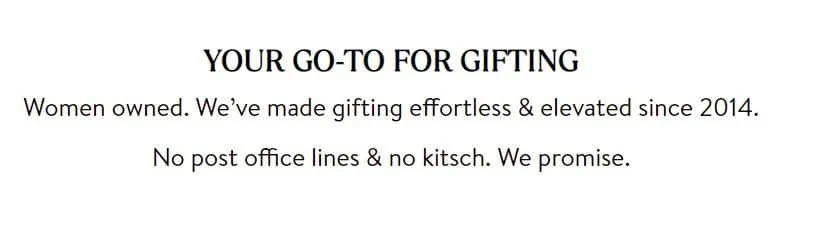
A copywriting example from BoxFox demonstrating how negative language can communicate the benefits of a product
Copywriting example #2: What your customers don't want
Elsewhere, apartment rental agency (and AirBnB's biggest competitor) Plum Guide is all about the can'ts in this advert. And it really works.
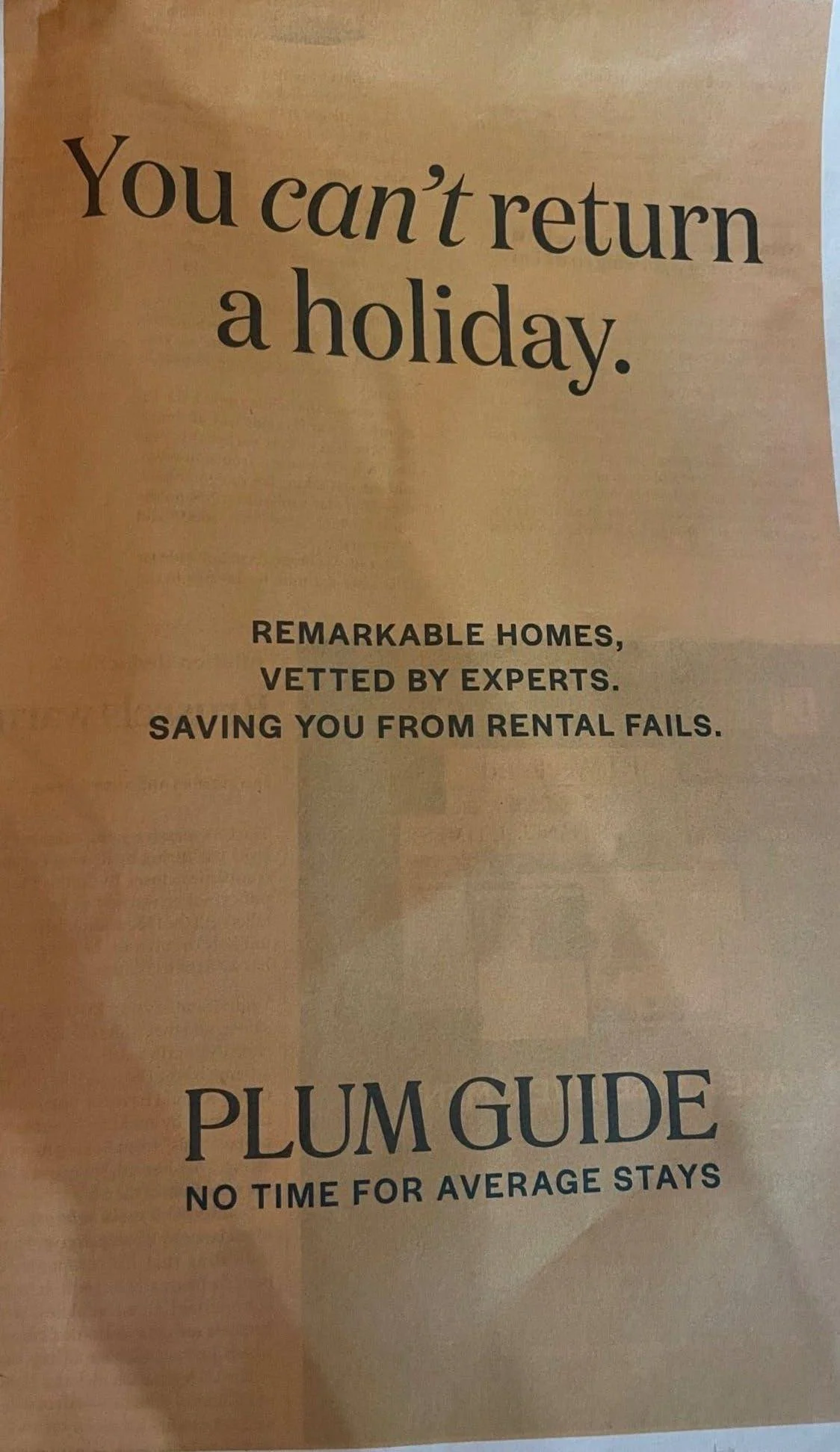
Plum Guide uses negative language in its advert copy to reassure customers about the experience they're buying and overcome objecions
They're tapping into the psychological concept of buyer's remorse: no one wants to regret spending a bunch of money on a shit holiday. By harnessing the power of the negative, they tell us that when we holiday with Plum, we don't need to worry.
This is a great example of copywriting for web and advertising alike, because the message is a masterclass in overcoming objections before a customer even voices them out loud.
Also worth a mention: this little gem on their website (which I believe is their tagline). That headline sounds neggy, but it's not. It's savvy market positioning in practice – focusing on what you avoid by booking with them.

Plum Guide's website copy turns what customers want to avoid into a persuasive selling point.
Copywriting example #3: Turn a negative into a benefit
And here's one final one from KatKin, a cat food brand that prides itself on supplying our feline friends with only the best ingredients in their easy-serve pouches. Note how the powerful use of "DON'T STOP AT FRESH FOOD" leads perfectly into the rest of their range? From this simple headline, they can upsell cat litter, treats and more across their products.
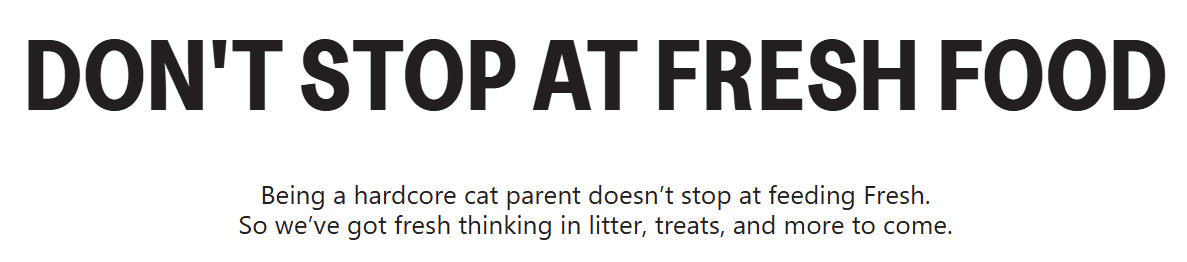
Here, KatKin's headline uses a negative statement to introduce more of its product range.
It's a clever example of how a single line of copy on a website can open up a bigger conversation about what else a customer might need.
And their old benefits tagline of "Vet Formulated, NOT vet approved" also played with negatives. "Vet approved" is made to seem bad in comparison to vet formulated, therefore shifting the negativity spotlight onto competitor brands who make this claim on their own packaging. Meeeee-OW. The claws are out.
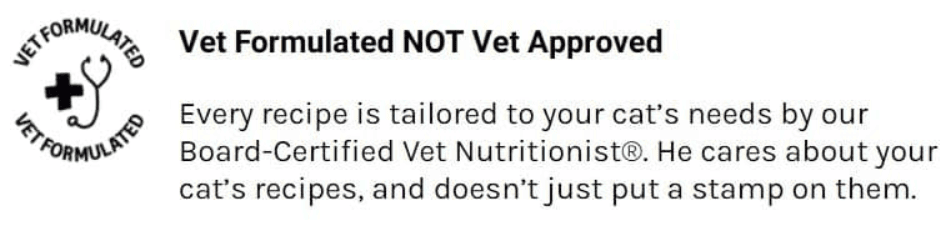
KatKin's benefits copy uses contrast to reposition a familiar industry claim and differentiate its brand
Pretty clever, huh?
This is a powerful little copywriting tip I use all the time when I write headlines, benefits-focused copy and taglines. It helps to mix things up. Just don't overuse it.
It's one of the many things I consider when developing a client's messaging strategy, because good copy isn't simply a case of listing everything you do and hoping something sticks. It's about finding the right angle, the right words and the right way to make someone care.
If you want a little more help getting your copy in shape, I've got plenty more copywriting tips and examples over on the blog, or you can find out more about my website copywriting services if you're ready for a pro copywriter to get stuck into your messaging.
Your task for your next bit of copy: Rather than stating what your product or service does, how can you talk about what it won't do. And how that's a good thing?